Contracts for Difference (CFDs) have gained significant traction in the financial markets, providing investors with a unique avenue to engage in speculative trading across a broad spectrum of assets. In this article, we delve into the opportunities presented by CFD trading and how it has become an integral part of the investment landscape.
One of the primary attractions of CFDs is the flexibility they offer in terms of leverage. With flexible leverage, traders can control larger positions in the market with a smaller initial investment, thereby amplifying potential returns. This feature appeals to traders seeking to maximize their profitability while managing their risk exposure effectively.
CFD trading provides access to an extensive range of global markets, allowing investors to capitalize on diverse opportunities across various asset classes. Whether it’s trading stocks, indices, currencies, or commodities, CFDs offer a versatile platform for investors to diversify their portfolios and capitalize on market movements.
Another advantage of CFD trading is the ability to profit from both rising and falling markets. Unlike traditional investments where investors can only profit from upward price movements, CFDs enable traders to speculate on price fluctuations in either direction. This versatility opens up a myriad of opportunities to profit from market trends irrespective of whether the overall sentiment is bullish or bearish.
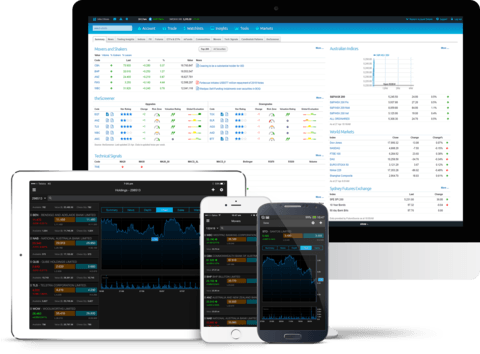
Additionally, CFD trading platforms often provide a plethora of advanced tools and features to empower traders. From real-time market data and charting tools to risk management options and educational resources, these platforms equip traders with the necessary tools and knowledge to make informed trading decisions.
However, it’s essential for traders to approach CFD trading with caution and discipline. While the potential for high returns exists, so does the risk of significant losses, particularly when utilizing leverage. Therefore, it’s imperative for traders to adopt prudent risk management strategies, set realistic trading goals, and adhere to disciplined trading practices to mitigate potential risks effectively.
In conclusion, Contracts for Difference offer compelling opportunities for investors to participate in the global financial markets and diversify their investment portfolios. With flexible leverage, diverse asset classes, and advanced trading tools, CFDs have become an integral part of the investment landscape, providing traders with a versatile platform to capitalize on market movements. Nonetheless, traders should exercise caution and diligence to navigate the inherent risks associated with CFD trading successfully.
